

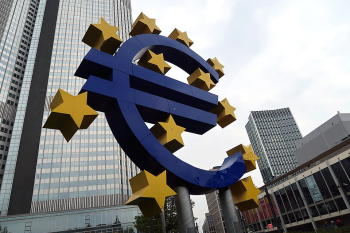











The European Union has pledged €458 million in humanitarian assistance for 2026, targeting some of the most crisis-affected countries in the Middle East, as conflicts,
displacement, and funding gaps continue to deepen across the region.
The funding, announced by the European Commission, will support relief efforts in Palestine, Lebanon, Syria, Jordan, and Egypt. The move comes at a time when several major international donors are scaling back contributions, placing additional pressure on humanitarian operations already strained by limited access and ongoing violations of international humanitarian law.
Syria receives largest share
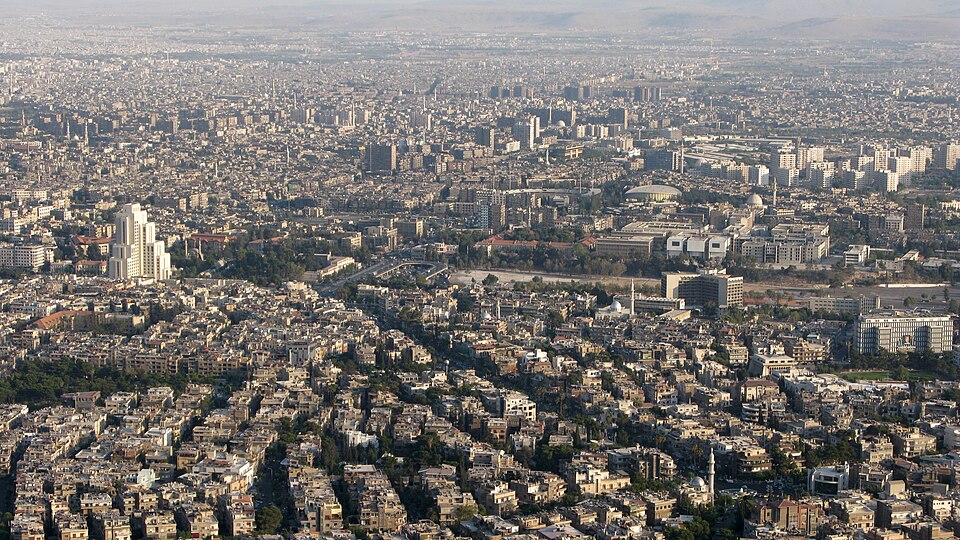
Syria will receive the biggest portion of the package, with €210 million allocated for emergency aid and protection services nationwide. Despite the fall of Bashar al-Assad’s regime in late 2024, the humanitarian situation remains dire. An estimated 16.5 million Syrians still require assistance, including more than 3.2 million people who have returned to devastated communities lacking jobs and basic infrastructure.
EU funding will focus on essential services such as food distribution, healthcare, shelter, clean water, and education, particularly for children who remain out of school.
Mounting needs in Palestine
Palestine is set to receive €124 million to address escalating humanitarian needs in both Gaza and the occupied West Bank. More than 3.3 million people require assistance, including 2.1 million in Gaza alone.
Conditions in Gaza are especially critical, with widespread malnutrition, a collapsed healthcare system, and significant barriers to aid delivery. EU-supported programs will provide food, medical care, shelter, protection services, and access to education under increasingly challenging conditions.
Lebanon faces escalating crisis
Lebanon will receive €100 million as the country grapples with a worsening humanitarian emergency. Even before recent escalations, over three million people were already in need of assistance.
The situation deteriorated further in March 2026 following Israeli airstrikes that displaced more than 800,000 people. EU aid will fund emergency healthcare, shelter, and basic support for families, alongside education and protection services. Humanitarian airbridge flights are already delivering critical supplies.
Support for кefugees in Jordan and Egypt
Jordan will receive €15.5 million to maintain essential services for refugees and vulnerable communities, both within camps and in host communities.
Meanwhile, Egypt will benefit from €8 million aimed at supporting over 1.5 million refugees and asylum seekers, many of whom have fled conflicts in Sudan and Gaza. The funding will also support education initiatives and disaster preparedness programs.
Aid delivery under pressure
Across the region, humanitarian operations continue to face serious obstacles, including restricted access, logistical challenges, and shrinking operational space. The European Commission emphasized that funding decisions are based solely on humanitarian need and adhere strictly to principles of neutrality, impartiality, and independence.
The aid will be distributed through established partnerships with UN agencies, international organizations, and non-governmental organizations working on the ground.
The €458 million package also includes €67.5 million drawn from the EU’s Emergency Aid Reserve, pending final budget approval. Photo by Vyacheslav Argenberg, Wikimedia commons.