











Nearly three-quarters of young people across the European Union have at least basic digital skills, according to new figures for 2025, although significant differences remain
between member states.
The latest data shows that 74.6% of people aged 16 to 24 possess at least basic digital skills, reflecting the growing importance of digital literacy in education, employment and everyday life.
Denmark recorded the highest level of digital competence among young people, with 92.1% meeting the basic skills threshold. It was closely followed by Czechia (91.7%) and Malta (91.5%).
At the other end of the ranking, Bulgaria and Romania were the only EU countries where fewer than 60% of young people had at least basic digital skills. The figures stood at 52.8% in Bulgaria and 53.3% in Romania.
The data also highlights a gender gap in favour of young women across most of the bloc.
Across the EU, 75.9% of women aged 16 to 24 had at least basic digital skills, compared with 73.3% of men in the same age group.
Young women outperformed young men in 22 of the EU's 27 member states. The widest gap was recorded in Cyprus, where 73.9% of young women had basic digital skills compared with 55.1% of young men — a difference of 18.8 percentage points.
Other notable gaps were seen in Slovenia, where the difference reached 11.6 percentage points, and Austria, where it stood at 9.1 points.
In the remaining five EU countries, young men had higher levels of basic digital skills than young women. The largest differences were recorded in Malta, where 93.6% of young men met the benchmark compared with 89.1% of young women, and Romania, where the figures were 55.1% and 51.1% respectively.
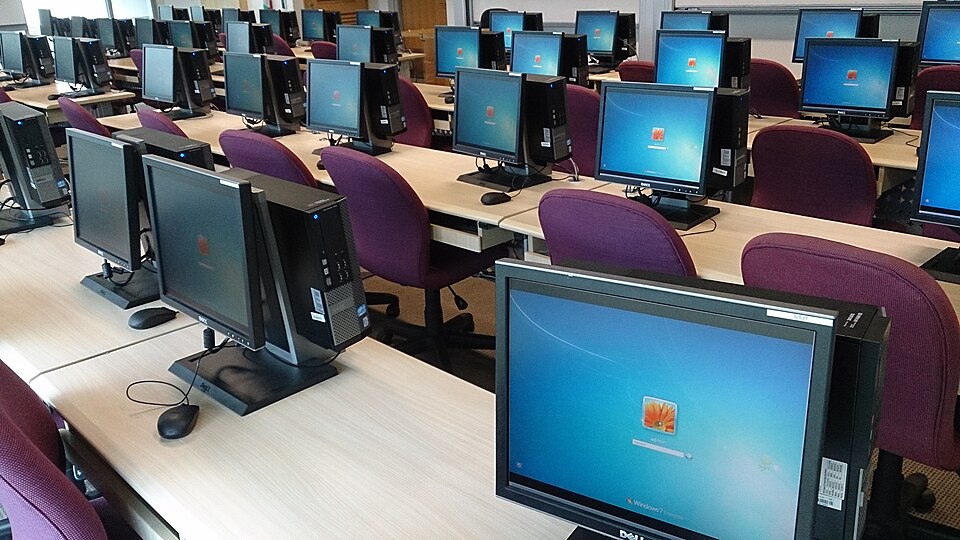
The findings underline both the EU's progress in improving digital literacy among younger generations and the continuing disparities between countries and genders as governments seek to prepare citizens for an increasingly digital economy. Photo by ProjectManhattan, Wikimedia commons.