












The European Commission has said the rule of law is improving across much of the European Union, although concerns over judicial independence, corruption and media
freedom remain in several countries.
In its seventh annual Rule of Law Report, the Commission assessed all 27 EU member states alongside four candidate countries – Albania, Montenegro, North Macedonia and Serbia. It found that while reforms have continued across many areas, progress remains uneven and further action is needed in some nations.
The report examines four key areas: the independence of justice systems, anti-corruption measures, media freedom and pluralism, and institutional checks and balances. It also highlights the importance of the rule of law for economic growth, investment and the smooth functioning of the EU's single market.
European Commission President Ursula von der Leyen said strong legal institutions were essential for maintaining public confidence and attracting investment.
"The rule of law builds trust. Trust among citizens. Trust for businesses. It is what makes Europe the best and safest place to live and invest," she said.
She added that the annual report had become an important benchmark for national reforms across the EU.
Progress on judicial reforms
The Commission said many countries had strengthened the independence of their justice systems over the past year, including reforms to judicial councils, new safeguards for appointing judges and measures to reinforce the autonomy of public prosecutors.
However, it warned that reforms have slowed in some member states and serious concerns remain in certain cases. Among the four candidate countries, efforts to reform judicial systems have continued, although political influence over courts remains a concern.
Anti-corruption efforts strengthened
The report notes that several member states have adopted new anti-corruption strategies and expanded the powers of institutions responsible for tackling corruption.
The Commission also highlighted the new EU Anti-Corruption Directive, which came into force in May 2026, creating a common legal framework for preventing, detecting and prosecuting corruption across the bloc.
Despite progress, the report says further work is needed to improve lobbying transparency, manage conflicts of interest and ensure corruption cases are investigated and prosecuted effectively. Similar challenges remain in the four candidate countries.
Media freedom reforms continue
The Commission said member states are adapting their laws to comply with the European Media Freedom Act, including reforms aimed at strengthening the independence and funding of public service broadcasters and making state advertising more transparent.
It also said governments are taking greater steps to improve the safety of journalists and combat Strategic Lawsuits Against Public Participation (SLAPPs), which are legal actions intended to silence reporters and campaigners.
Nevertheless, concerns remain in several countries over media ownership concentration and the editorial independence of public broadcasters.
Civil society and democratic safeguards
According to the report, many governments have introduced reforms to improve legislative quality and strengthen democratic institutions. However, concerns remain about the frequent use of emergency lawmaking procedures and limited public consultation in some countries.
The Commission also said that while civil society organisations generally continue to operate freely across the EU, some groups report difficulties, including restrictions on funding and limits on the right to peaceful assembly.
Link to future EU funding
The Commission said the report will play a greater role in the next long-term EU budget.
Under proposals for the next Multiannual Financial Framework, member states will be expected to address rule of law concerns identified in the report when preparing new National and Regional Partnership Plans. The findings will also contribute to assessments of whether countries meet the legal conditions for receiving EU funding.
Next steps
The Commission has called on the European Parliament, EU governments and national parliaments to debate the findings and implement the country-specific recommendations.
It said it remains ready to support member states in carrying out reforms and will continue monitoring progress. The four candidate countries will also continue to be assessed as part of the EU enlargement process, with additional accession countries expected to be included in future reports once they are ready.
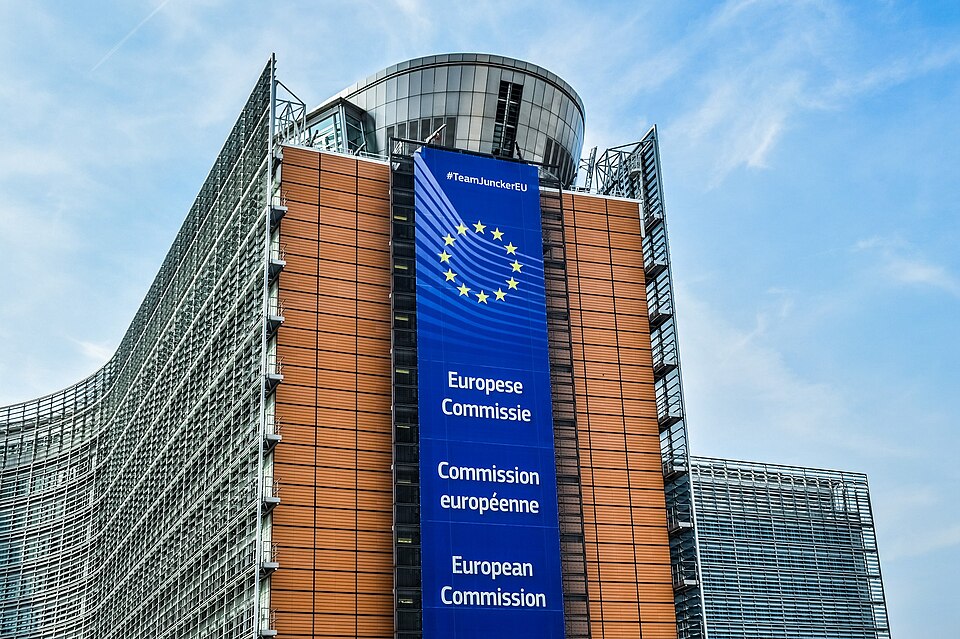
The annual Rule of Law Report is intended to prevent democratic backsliding by identifying problems early and encouraging reforms before more serious legal action becomes necessary. It complements, but does not replace, other EU enforcement mechanisms, including infringement proceedings and Article 7 procedures. Photo by dimitrisvetsikas1969, Wikimedia commons.