











The European Union has approved its 21st package of sanctions against Russia, introducing a broad set of new restrictions aimed at limiting Moscow's ability to finance its
war in Ukraine and tightening pressure on its banking, energy and military sectors.
The measures, agreed by EU member states on Thursday, also lay the legal groundwork for a future visa ban on Russian soldiers and former combatants once further implementation steps are completed.
The European Commission said the latest package comes as Russia's economy faces mounting pressure, arguing that sanctions have significantly reduced the Kremlin's access to international finance and weakened its ability to sustain the war.
Energy and oil restrictions expanded
The package strengthens existing energy sanctions by extending measures against Russia's oil industry and the so-called "shadow fleet" used to transport crude while bypassing Western restrictions.
The EU added another 41 vessels to its sanctions list, bringing the total number of blacklisted ships to 673. Five fuel-supply vessels supporting sanctioned tankers have also been targeted for the first time.
Several Russian ports and airports have been placed under transaction bans, while restrictions have been expanded to include additional oil refineries processing Russian crude. The bloc has also introduced new reporting requirements for sales of liquefied natural gas (LNG) tankers to third countries, with the possibility of imposing a complete export ban following a future review.
Brussels also confirmed that the current oil price cap mechanism will remain unchanged until July 2027, maintaining pressure on Russian crude exports.
Banks and crypto firms targeted
Financial restrictions have been significantly widened, with more than 100 Russian banks now subject to transaction bans and restrictions on access to international financial messaging systems.
The sanctions also target cryptocurrency services that EU officials say have helped Russia circumvent previous restrictions. New measures prohibit transactions with additional crypto platforms outside the EU and prevent Russian nationals from owning, controlling or serving on the boards of crypto-asset service providers.
New trade controls
The package introduces fresh export controls covering materials and technologies used in Russia's defence industry, including metal powders, specialised alloys and electronic equipment linked to drone production.
Imports of several Russian products have also been banned as the EU continues efforts to reduce dependence on Russian raw materials.
More companies accused of helping sanctions evasion
Brussels added 51 companies to its sanctions list for allegedly supporting Russia's military-industrial complex or helping evade existing restrictions.
These include firms based in Russia as well as businesses in China, Hong Kong, Türkiye, Kyrgyzstan, India, Kazakhstan and the United Arab Emirates.
Hundreds of new sanctions listings
The EU imposed asset freezes and travel bans on 218 additional individuals and organisations, describing it as the largest single round of listings since Russia's full-scale invasion of Ukraine began in 2022.
Those sanctioned include banks, companies involved in drone production, oil and mining businesses, operators linked to Russia's shadow fleet, figures accused of spreading pro-Kremlin propaganda and military officers alleged to have committed war crimes.
The package also introduces new legal protections allowing European companies to seek compensation through EU courts if they face retaliatory lawsuits linked to sanctions.
Belarus measures aligned
The EU also expanded sanctions against Belarus, extending some of the new trade and financial restrictions to Minsk and adding four Belarusian entities accused of supporting Russia's defence sector.
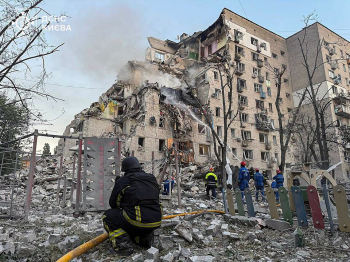
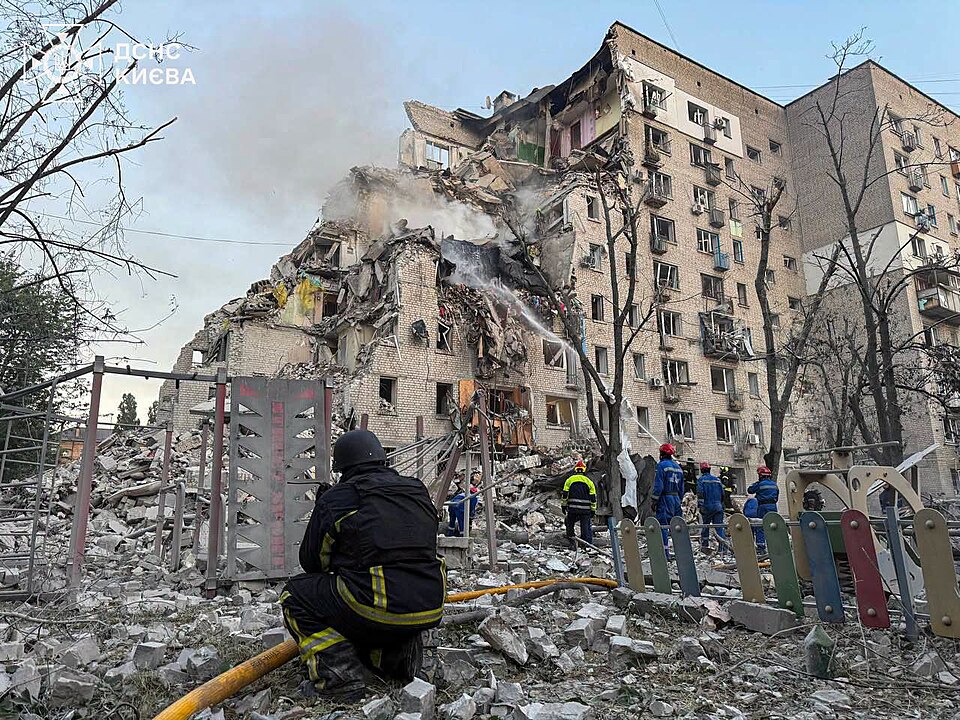
According to the European Commission, EU exports to Russia have fallen by two-thirds since before the invasion, while imports have dropped by more than 80%. Brussels says the latest sanctions are designed to increase economic pressure on Moscow and reduce its ability to continue the war in Ukraine. Photo by Dsns.gov.ua, Wikimedia commons.