















Bulgaria will officially adopt the euro on 1 January 2026, marking a historic step for the country and a further expansion of the European Union’s common currency.
The move follows years of preparation and reforms that enabled Bulgaria to meet all the economic and legal criteria required for euro area membership.
The changeover is expected to bring tangible benefits for citizens and businesses alike. The use of the euro will make travel, cross-border payments and living abroad simpler for Bulgarians, while enhancing price transparency, competition and trade within the EU. Euro banknotes and coins will also serve as a visible symbol of Bulgaria’s deeper integration into the European project.
With Bulgaria’s accession, the euro area will grow to 21 EU Member States, encompassing more than 357 million citizens. According to recent Eurobarometer surveys, public support for the euro remains strong across both the EU and the euro area, with a clear majority viewing the common currency as beneficial for Europe and their own countries.
European Commission President Ursula von der Leyen hailed the decision as a major achievement. “Bulgaria joins the euro area, one of the European Union’s greatest achievements,” she said. “This milestone reflects years of hard work and commitment, overcoming challenges. The euro will bring benefits for the Bulgarian people by making payments and travel easier, and it will open new opportunities for Bulgarian businesses within our single market. This step strengthens Bulgaria and Europe as a whole.”
Introducing euro cash
From 1 January 2026, the euro will gradually replace the lev as Bulgaria’s national currency. The conversion rate has been fixed at 1.95583 lev per €1, reflecting Bulgaria’s long-standing exchange-rate stability. For one month, both currencies will circulate in parallel, with change given in euro for payments made in lev, allowing for a smooth withdrawal of the national currency.
To ensure transparency during the transition, dual price displays in lev and euro became mandatory on 8 August 2025 and will remain in place until 8 August 2026. Consumer protection authorities have stepped up monitoring to prevent unjustified price increases, including the daily tracking and publication of prices for 101 commonly purchased products on a dedicated website.
Banks and retailers have been supplied with euro banknotes and coins in advance by the Bulgarian National Bank. Citizens will be able to exchange lev at the central bank, commercial banks and post offices, particularly in rural areas. Exchanges will be free of charge for at least the first six months, with unlimited free exchanges at the Bulgarian National Bank. From 1 July 2026, banks and post offices may begin charging fees.
By 1 January, 96% of Bulgaria’s ATMs will dispense euro banknotes, with the remainder expected to follow within two weeks.
Background
The decision follows the European Commission’s 2025 Convergence Report, which confirmed that Bulgaria met all the criteria for joining the euro area, a conclusion also supported by the European Central Bank. In July 2025, EU finance ministers formally approved Bulgaria’s accession.
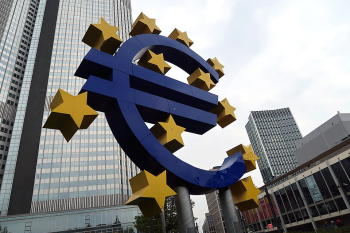
The Bulgarian authorities have implemented an extensive national changeover plan, placing consumer protection at its core. The plan focuses on price transparency, close monitoring of goods and services, and strict supervision of traders. These measures have been supported by a wide-ranging public information campaign, with contributions from both the European Commission and the European Central Bank. Photo by Lionel Allorge, Wikimedia commons.