










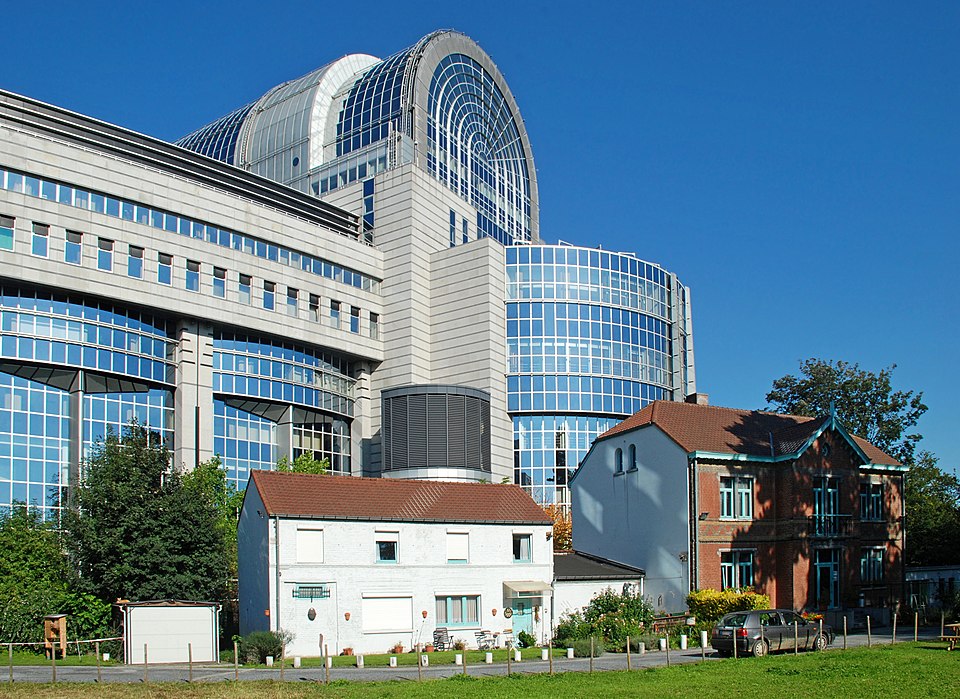
The European Parliament is preparing a major renovation of its iconic Paul-Henri Spaak (SPAAK) building in Brussels, a project designed to bring one of its most recognisable
sites up to modern environmental, technical and security standards.
Approved by Parliament’s Bureau and the Committee on Budgets, the overhaul will address long-standing shortcomings, including outdated fire safety systems, ageing technical infrastructure and evolving security needs. The SPAAK building is a central hub of parliamentary life in Brussels, housing one of the Parliament’s plenary chambers, meeting rooms, offices, as well as press and visitor facilities.
The total investment is estimated at €455 million (April 2023 prices), spread over the period from 2024 to 2031.
Timeline and permits
In mid-February 2026, the European Parliament plans to submit the renovation permit application to the Brussels regional authorities (Urban). Subject to approval, construction work is expected to begin at the start of 2027.
A key milestone is the reopening of the renovated hemicycle in 2030, coinciding with the 200th anniversary of Belgium’s independence—an important symbolic moment for the host Member State.
A flagship project for sustainability
Improving environmental performance is at the heart of the renovation. The project is designed to align with the Parliament’s climate commitments and EU and national legislation, while also delivering long-term savings on energy use and maintenance.
Once renovated, the SPAAK building aims to achieve nearly zero-energy and zero-emission status. Plans include advanced energy-efficiency measures, a proactive rainwater management system, and a strong focus on circular construction principles to reduce waste and the overall carbon footprint. Materials will be selected based on life-cycle assessments, and biodiversity protection and enhancement around the site will form an integral part of the strategy.
The building will be independently assessed under the DGNB global sustainability standard, with the ambition of achieving a gold-level certification. These measures are expected to significantly cut CO₂emissions, positioning the SPAAK building among the greenest parliamentary buildings worldwide.
More functional, more open to citizens
While the renovation will preserve the building’s core functions, it will also optimise them. New, dedicated spaces will be created for interinstitutional negotiations, including trilogues, reflecting the evolving needs of EU decision-making.
Openness and accessibility are also central to the redesign. As the only directly elected EU institution, the European Parliament wants the building to better reflect its role as a house of democracy open to citizens.
The project will improve the building’s visual integration into its urban surroundings while largely maintaining its existing structure and shape. A new multilayered façade will allow more natural light into the building, enhancing energy performance, internal connectivity and transparency, while strengthening the link between the Parliament and the city around it.
Importantly, parliamentary activities in Brussels will continue uninterrupted throughout the renovation period.
What comes next
The project is currently in its preliminary design phase, alongside preparations for the permit request. In parallel, the Parliament is working on the tendering process for the construction works.
If all approvals proceed as planned, renovation work will start in early 2027, leading to the inauguration of the renewed hemicycle in 2030—a modern, sustainable and open landmark at the heart of European democracy.
Further details on the SPAAK building are available in the background documentation. Photo by EmDee, Wikimedia commons.