










European Parliament lawmakers are stepping up pressure on artificial intelligence companies to respect copyright law, demanding greater transparency and fair remuneration for
creators whose work is used to train generative AI systems.
On Wednesday, members of the European Parliament’s Legal Affairs Committee adopted a set of proposals aimed at protecting rightsholders in the age of generative artificial intelligence (genAI). The measures were approved by 17 votes in favour, three against and two abstentions.
Copyright rules must apply to all AI systems
MEPs argue that EU copyright law should apply to all generative AI systems available on the EU market, regardless of where their training takes place. Because generative AI systems rely on vast amounts of existing content, often protected by copyright, lawmakers say full transparency is essential.
Under the proposals, AI providers and deployers would be required to disclose which copyrighted works were used to train their systems and keep detailed records of automated data-crawling activities. Failure to comply with these transparency obligations could amount to copyright infringement, potentially exposing AI companies to legal consequences.
Fair remuneration for creators
A central demand of the report is fair compensation for the use of copyrighted content by AI systems. MEPs stress that Europe’s creative and cultural sectors must not be undermined by technological progress and that access to high-quality training data must go hand in hand with proper remuneration for rightsholders.
The committee has called on the European Commission to examine whether compensation rules could also apply to past uses of protected content. At the same time, lawmakers rejected the idea of a single global licence that would allow AI providers to train their systems in exchange for a flat-rate payment.
Protecting journalism, media pluralism and individual rights
MEPs also raised concerns about the impact of generative AI on the news media sector. They warn that AI systems which selectively aggregate news content risk diverting traffic and revenues away from publishers, threatening media pluralism.
The report calls for news organisations to retain full control over whether their content can be used to train AI systems, including the right to refuse such use, and for adequate remuneration where it is permitted.
In addition, lawmakers reaffirm that content generated entirely by AI should not be protected by copyright. They urge stronger measures to protect individuals from the spread of manipulated or AI-generated content and want digital service providers to act against illegal uses.
Giving rightsholders the power to opt out
To strengthen creators’ control, MEPs propose new rules on licensing copyrighted material for generative AI. They encourage the Commission to facilitate voluntary, sector-specific collective licensing agreements that are accessible to all creators, including freelancers and small and medium-sized enterprises.
The report also calls for the development of technical tools that would allow rightsholders to prevent their works from being used by general-purpose AI systems in the first place.
Lawmakers’ reaction and next steps
Following the vote, rapporteur Axel Voss (EPP, Germany) said generative AI must operate within the rule of law. He stressed that if copyrighted works are used to train AI systems, creators are entitled to transparency, legal certainty and fair compensation.
According to Voss, innovation and copyright protection are not mutually exclusive, and clear, enforceable rules are essential to safeguarding Europe’s technological sovereignty while supporting creativity.
The own-initiative report is expected to be put to a vote in the European Parliament’s plenary session in March.
Background
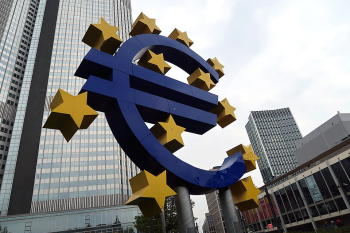
The report addresses key legal questions surrounding generative AI and copyright, including how to ensure transparency, consent and fair remuneration when protected works are used to generate, distribute or disseminate AI-produced content. Photo by Jernej Furman from Slovenia, Wikimedia commons.