










European Union ambassadors have agreed on the final details of a €90 billion loan package for Ukraine, a major financial commitment designed to cover most of Kyiv’s funding
needs over 2026 and 2027 as it continues to defend itself against Russia’s invasion.
The agreement was reached during a closed-door meeting in Brussels on Wednesday, according to EU diplomats familiar with the talks. The loan was politically approved by EU leaders in December, but negotiators have since been finalising how the money will be spent and under what conditions.
Under the deal, around two-thirds of the funds will be earmarked for military assistance, with the remaining third allocated to general budget support, the Council of the European Union said in a statement.
The military component of the loan prioritises purchases from Ukrainian and European defence companies. However, the agreement allows for limited exceptions if Ukraine faces urgent battlefield needs that cannot be met within the EU or associated European Economic Area and EFTA countries.
“Defence products should in principle only be procured from companies in the EU, Ukraine, or EEA-EFTA countries,” the Council said. “Targeted derogations would apply if urgent military requirements cannot be met through those suppliers.”
The package still requires approval from the European Parliament. Diplomats said they expect a vote in the coming weeks, clearing the way for the European Commission to begin raising funds on financial markets. If the timeline holds, Ukraine could receive its first payment as early as April.
EU leaders opted to finance the loan through joint EU borrowing, shelving earlier proposals to use Russian assets frozen within the bloc. The decision reflects both legal concerns and a desire to maintain unity among member states as the war enters its fourth year.
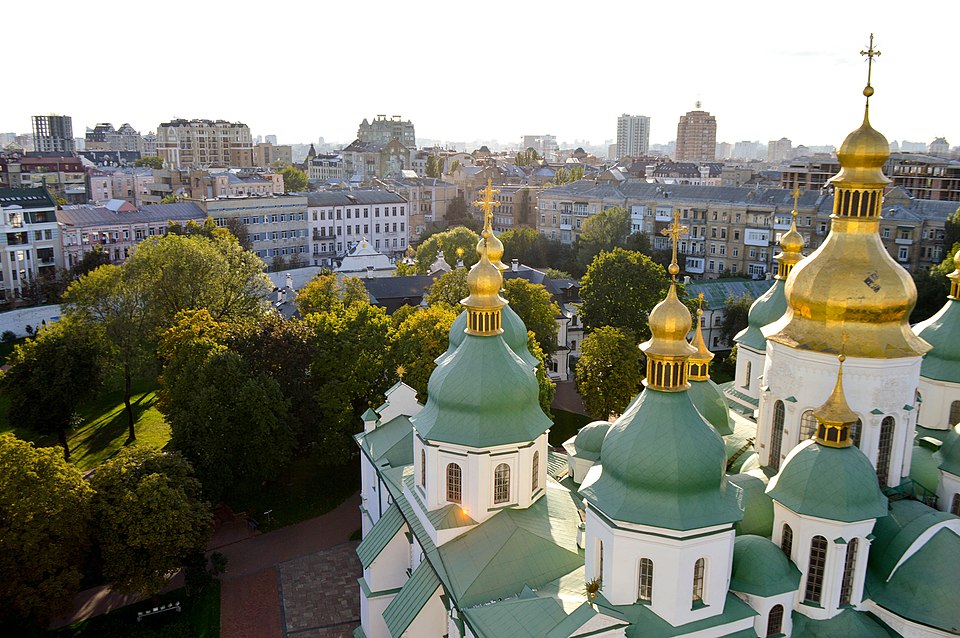
The funding is intended to provide Ukraine with longer-term financial certainty, ensuring continued military support while helping stabilise government finances amid ongoing conflict. Photo by Francisco Anzola, Wikimedia commons.