








The European Commission has unveiled a wide-ranging strategy to strengthen the EU’s eastern regions bordering Russia, Belarus and Ukraine, stepping up political, financial
and security support as the impact of the war in Ukraine continues to deepen.
The initiative is framed as both an act of solidarity and a strategic investment. Brussels argues that reinforcing the prosperity and resilience of these border regions is essential not only for local communities, but also for Europe’s long-term security, competitiveness and stability.
Regions under sustained pressure
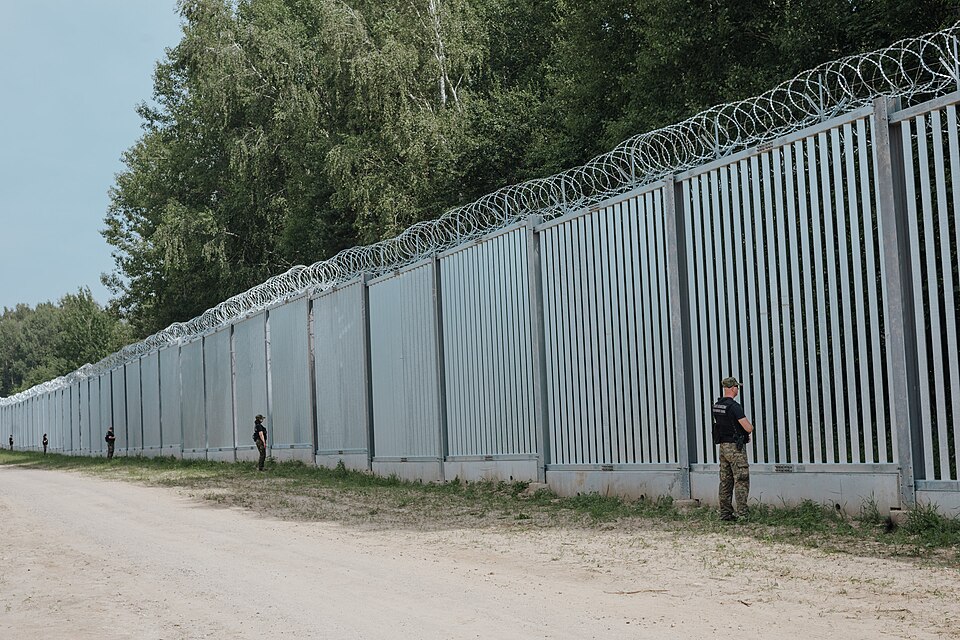
Eastern regions across nine EU Member States — Finland, Estonia, Latvia, Lithuania, Poland, Slovakia, Hungary, Romania and Bulgaria — have faced mounting challenges since Russia’s invasion of Ukraine. These include hybrid threats, weaponised migration, disrupted trade routes, higher security costs and accelerating demographic decline.
Since the start of the war, the EU has already mobilised political, technical and financial support to help these regions upgrade infrastructure, strengthen economic resilience, improve defence readiness and tackle energy and connectivity gaps. Measures such as the EU–Ukraine Solidarity Lanes have helped keep trade flowing despite the conflict.
However, the Commission acknowledges that worsening security conditions and economic strain mean existing measures are no longer sufficient, prompting the need for a more targeted and long-term approach.
Five priority areas for action
In its latest Communication, the Commission outlines a package of actions built around five priority areas:
Security and resilience
Plans include advancing initiatives such as the Eastern Flank Watch, the European Drone Defence initiative, the European Air Shield and the European Space Shield. A new network of practitioners will also be created to boost preparedness and cross-border cooperation among resilience clusters.
Growth and regional prosperity
The Commission aims to improve access to finance through a new EastInvest facility, bringing together the European Investment Bank Group, international financial institutions and national and regional development banks. Cooperation with the World Bank under the Catching-up Regions Initiative will also support economic development in the most affected areas.
Building on local strengths
Energy integration is a key focus, with priority given to connecting the Baltic States’ electricity systems to European networks and developing cross-border hydrogen infrastructure, including the Nordic-Baltic Hydrogen Corridor. Support will also be extended to circular-economy projects, such as industrial symbiosis valleys and regional bioeconomy hubs.
Connectivity
Investment will target digital infrastructure and transport networks, including dual-use roads, railways and ports, as well as improved cross-border links with Ukraine and Moldova.
People and communities
To counter depopulation and labour shortages, the strategy promotes education-to-employment pathways and community-strengthening measures. This includes backing the Media Resilience Programme and stepping up efforts to combat disinformation.
What comes next
To track progress, the Commission will launch an annual high-level political dialogue focused on the development and resilience of the EU’s eastern border regions. The first meeting is scheduled for 26 February 2026, when financial institutions are expected to sign a declaration formally launching the EastInvest Facility.
Background
Member States bordering Russia, Belarus and Ukraine have experienced slower economic growth, falling investment, labour shortages and rising security costs since the outbreak of the war. The 2025 Mid-Term Review of Cohesion Policy marked an initial step in addressing these challenges by allocating additional resources to affected regions.
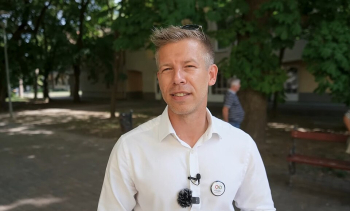
Looking ahead, the Commission has confirmed that its proposals for the next EU budget (2028–2034) will include dedicated funding for eastern border regions through National and Regional Partnership Plans, signalling a longer-term commitment to their stability and development. Photo by Gov.pl, Wikimedia commons.