














The European Commission has given the green light to Germany’s third payment request under the Recovery and Resilience Facility (RRF), unlocking €4.6 billion in grants as part
of the EU’s pandemic recovery programme NextGenerationEU.
The decision marks another milestone in implementing Germany’s recovery and resilience plan, which focuses on green transformation, digitalisation, public administration reform, and investments in education and innovation.
Progress on reforms and investments
In its assessment, the European Commission concluded that Germany has successfully met 5 milestones and 17 targets outlined in the Council’s implementing decision for this funding round.
The measures completed so far support several flagship initiatives aimed at modernising the country’s economy while accelerating the transition to climate neutrality.
Boost for the green transition
A significant portion of the funding supports environmental measures. Germany has carried out energy-efficient renovations in more than 155,000 buildings, improving sustainability in the housing sector.
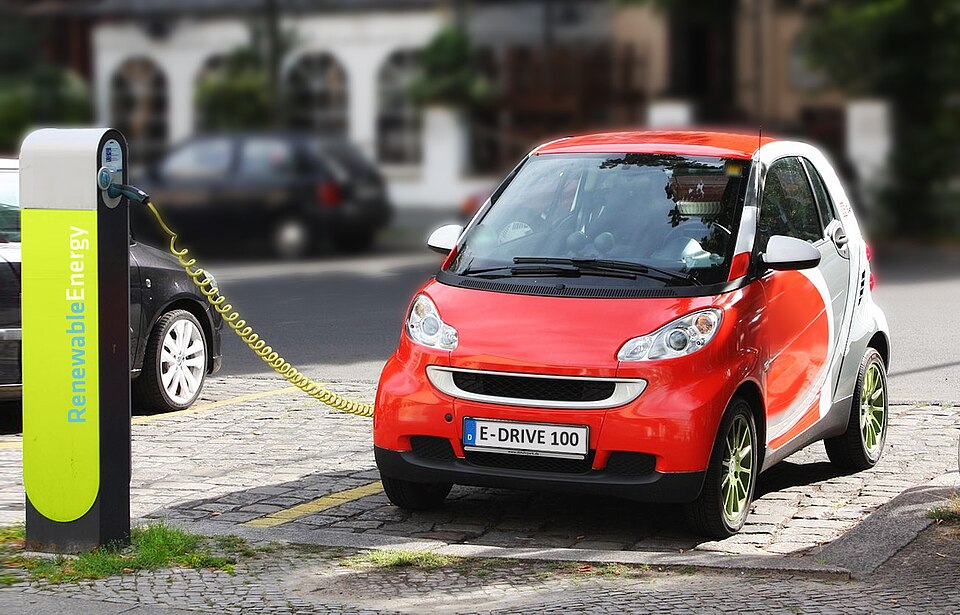
The programme also backs the rapid expansion of electric mobility. Nearly 400,000 electric vehicles have received subsidies, bringing the total number supported under the national recovery plan to close to one million.
In parallel, the country has improved charging infrastructure by expanding access to over 2,500 public charging stations, helping to make electric transport more accessible.
Digitalising public administration
Another major focus of the reforms is modernising government services. A joint programme between the federal government and Germany’s regional states is streamlining planning and approval procedures, while improving access to public funding programmes.
A key legislative initiative — the Online Access Act — aims to cut bureaucracy by digitising 40 public services for citizens and businesses at the state level.
Investing in hydrogen innovation
The recovery plan also strengthens Germany’s role in emerging clean-energy technologies. Funding has been directed to hydrogen research projects under the country’s National Hydrogen Strategy, designed to overcome technological and economic barriers to large-scale hydrogen adoption.
What happens next
Following the positive assessment, the European Commission has forwarded its preliminary evaluation to the Economic and Financial Committee. The committee now has four weeks to deliver its opinion.
Once that process is completed and the Commission formally adopts the payment decision, the funds will be disbursed to Germany.
€24.4 billion already paid
Germany submitted the payment request on 16 February 2026. The country’s recovery plan, financed by €30 billion in grants, supports investments such as building renovations, electric vehicle incentives, and the digital transformation of public administration.
With this latest tranche, the total amount paid to Germany under the Recovery and Resilience Facility will reach €24.4 billion, including €2.3 billion in pre-financing. That represents about 80% of the funds allocated to Germany, while 79% of the plan’s milestones and targets have already been completed.
EU member states must finish implementing all remaining reforms and investments by 31 August 2026, and submit their final payment requests by the end of September 2026, before the recovery programme concludes. Photo by Michael Movchin / Felix Müller, Wikimedia commons.