












China confirmed on Sunday that it has executed a French national convicted of drug trafficking, defending its judicial process after criticism from France over the handling
of the case.
In a brief statement, the Chinese embassy in Paris said the country applies its laws equally and “does not discriminate based on nationality.” The response came a day after French authorities voiced concern about the legal proceedings involving 62-year-old Chan Thao Phoumy.
France’s foreign ministry said it “particularly regretted” that the defendant’s legal team was not allowed to attend the final court hearing, calling it a violation of his rights.
Chan, who was born in Guangzhou and later became a naturalised French citizen, had been detained for nearly two decades. He was among dozens of suspects arrested in 2005 in connection with a major drug trafficking network. Initially sentenced to life imprisonment in 2007, he was later given the death penalty in 2010 by a court in southern China.
Authorities said Chan played a key role in a large-scale operation involving the production, transport, and distribution of crystal methamphetamine, with an estimated value of 100 million yuan (around $15 million).
China is known for its strict stance on drug-related crimes. Under Chinese law, trafficking as little as 50 grams of heroin or methamphetamine can result in the death penalty, though executions are typically reserved for cases involving significantly larger quantities. Official statistics on executions are not publicly disclosed.
France–China relations context:
The case has added strain to the already complex relationship between France and China, which balances economic cooperation with political and human rights disagreements.
France, a key member of the European Union, has often raised concerns about judicial transparency and the use of the death penalty in China. Meanwhile, China has consistently defended its legal sovereignty and strict law enforcement policies, particularly regarding drug crimes.
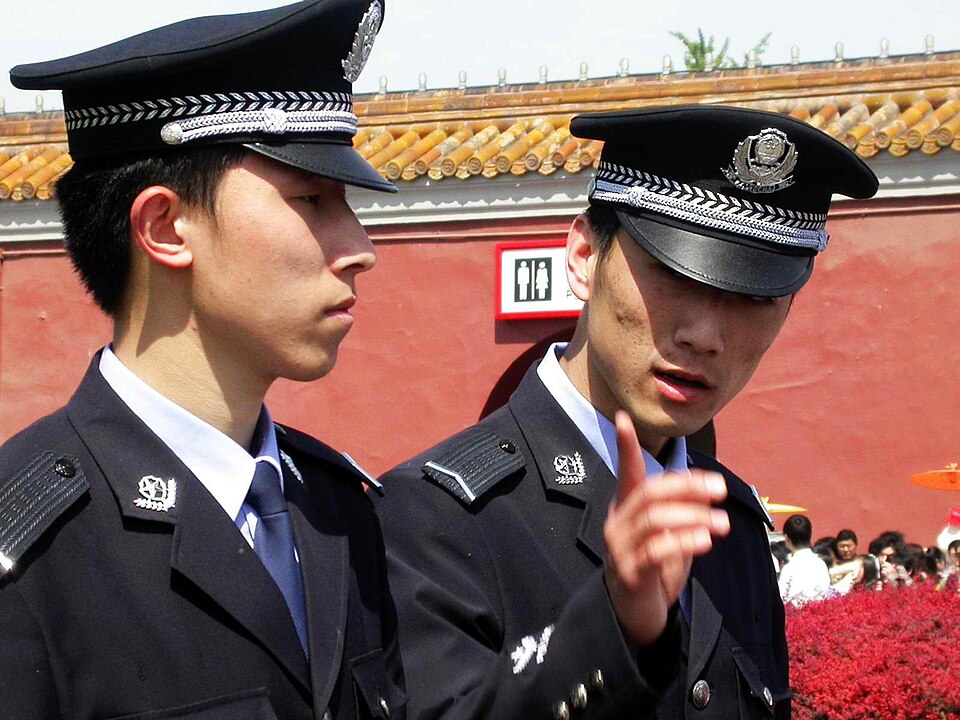
Despite such tensions, both countries maintain strong trade ties. China is one of France’s largest trading partners in Asia, with cooperation spanning sectors such as aviation, energy, and luxury goods. High-level diplomatic exchanges continue regularly, but cases like this often test the limits of mutual trust and highlight fundamental differences in legal and human rights standards. Photo by Beijing Patrol, Wikimedia commons.