









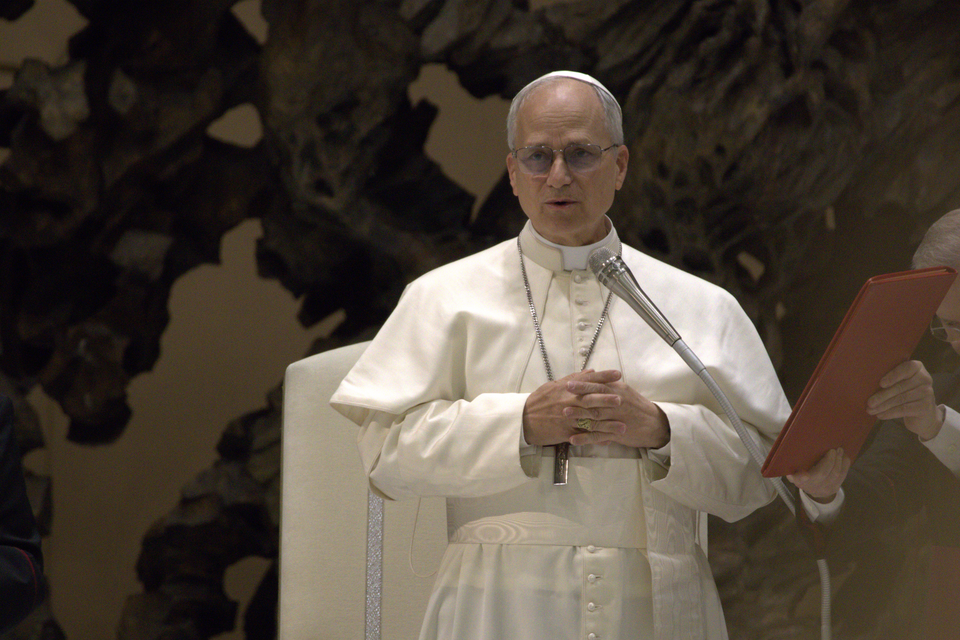
In his first Easter Sunday address, Pope Leo XIV delivered a powerful appeal to world leaders, urging them to abandon violence and embrace dialogue as the path to peace.
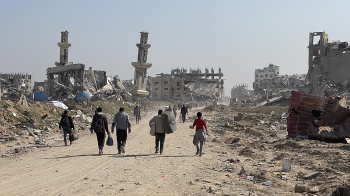
Standing before thousands during the traditional *Urbi et Orbi* blessing, the newly appointed pontiff called for an end to war and a renewed commitment to diplomacy. His message comes at a time of escalating conflicts across regions including Ukraine, Myanmar, Sudan, and the Middle East.
“Let those who have weapons lay them down,” Leo declared. “Let those who have the power to unleash wars choose peace — not a peace imposed by force, but one built through dialogue. Not with the desire to dominate, but to encounter one another.”
Though he did not mention specific leaders, the pope’s words appeared to challenge the increasingly aggressive rhetoric and military actions shaping global politics, particularly in the Middle East.
Leo, the first American pope, struck a somber tone as he reflected on what he described as a growing global indifference to suffering. Echoing themes associated with his predecessor, he warned that society is becoming desensitized to violence and its consequences.
“We are growing accustomed to violence, resigning ourselves to it, and becoming indifferent,” he said. “Indifferent to the deaths of thousands. Indifferent to the hatred and division that conflicts sow. Indifferent to the economic and social consequences that affect us all.”
Drawing on the significance of Easter — a central Christian celebration of resurrection and hope — Leo encouraged believers to confront, rather than ignore, the realities of suffering and death.
“The cross of Christ reminds us of the pain and agony surrounding death,” he said. “We are all afraid of it, and often we turn away. But we cannot continue to live in indifference.”
His message blended spiritual reflection with a clear moral directive: peace is not passive, nor imposed — it must be actively chosen, pursued, and sustained through understanding and human connection. Photo by Edgar Beltrán, The Pillar, Wikimedia commons.