

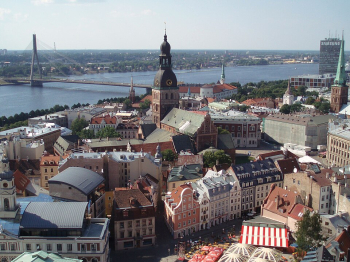











The European Commission has approved Latvia's Social Climate Plan, unlocking €617 million in funding to help vulnerable households improve energy efficiency, lower
transport costs and support the country's transition to cleaner energy.
Latvia becomes the third EU member state to secure approval under the bloc's new Social Climate Fund, which is designed to soften the impact of expanding carbon pricing to buildings and road transport.
The funding, available until 2032, is expected to support around 17,000 households living in energy-inefficient homes and more than 453,000 transport users. The scheme targets families already receiving state energy support and people living in areas with limited public transport.
Eligible households will be able to apply for grants of up to €15,000 to renovate apartments and up to €20,000 for houses, helping improve insulation and reduce energy consumption. The programme will also finance upgrades to social housing and buildings providing social services.
As part of the package, Latvia will establish new energy advice centres to help vulnerable households identify ways to cut energy bills and access financial support. The European Commission estimates the measures will reduce carbon dioxide emissions by around 45,000 tonnes by 2032.
The transport element of the plan includes grants of up to €15,000 for the purchase of battery electric vehicles, while people with reduced mobility will be eligible for support to obtain electric mobility devices.
The programme also backs wider reforms aimed at improving transport access in rural and remote communities. These include investment in on-demand transport services, the purchase of new battery-electric trains and free bicycle-sharing schemes at 97 schools in areas with high levels of transport poverty.
The Commission said the plan adequately addresses the social impact of the EU's new emissions trading system for buildings and road transport (ETS2), which will extend carbon pricing to those sectors. Latvia will be able to request its first payment once implementation begins and agreed milestones have been met.
The Social Climate Fund will operate between 2026 and 2032 and is expected to mobilise at least €86.7 billion across the EU through revenues from the new ETS2 carbon market and national contributions. The money is intended to support investments in home energy efficiency, building renovation, clean heating, renewable energy and low-emission transport, ensuring the transition to a greener economy does not disproportionately affect lower-income households.
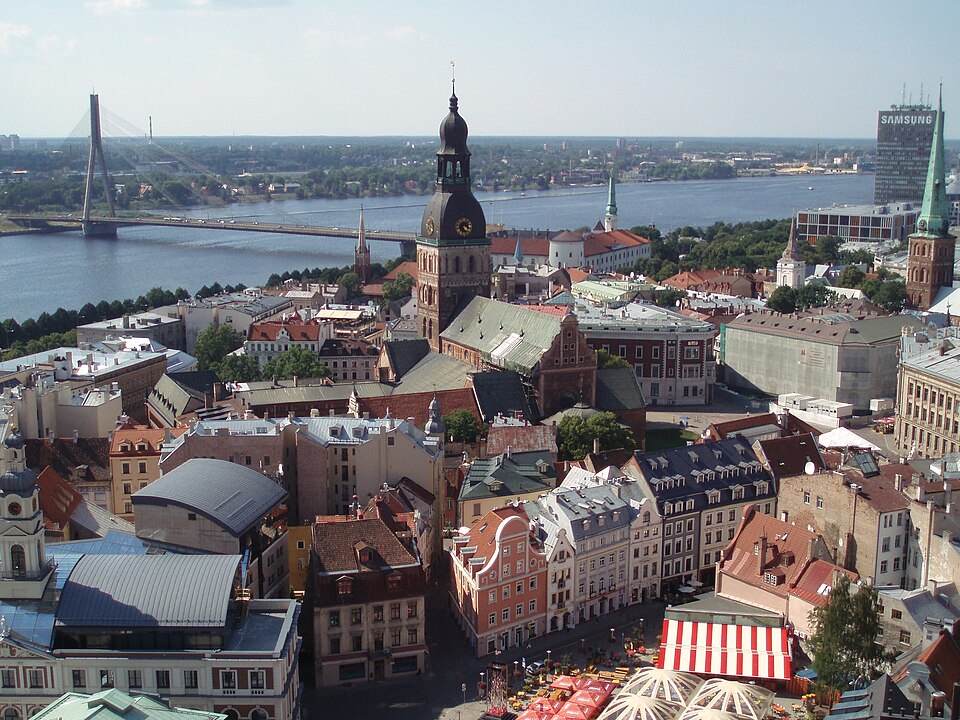
So far, eight member states — Sweden, Lithuania, Latvia, Malta, the Netherlands, Greece, Croatia and Slovenia — have submitted national plans. Sweden was the first to receive approval, followed by Lithuania, with the European Commission continuing to work with the remaining member states as they finalise their proposals. Photo by David Holt, Wikimedia commons.