













The European Commission has fined Chinese online marketplace AliExpress €550m for failing to curb the sale of illegal, unsafe and counterfeit products on its platform,
marking one of the biggest penalties issued under the EU's Digital Services Act (DSA).
The Commission said AliExpress had failed to properly assess and address the systemic risks posed by illegal goods sold through its marketplace, leaving European consumers exposed to counterfeit items, unsafe toys, dangerous cosmetics and other prohibited products.
Investigators found the company had significantly overestimated the effectiveness of its content moderation systems and failed to allocate enough staff to review potentially illegal listings. According to the Commission, the workload of human moderators far exceeded available resources, undermining the platform's ability to remove unlawful products.
The Commission also concluded that AliExpress did not adequately assess how its recommendation and advertising systems amplified the visibility of illegal goods. Tests carried out by EU officials found that many prohibited products continued to be promoted to consumers before they were eventually removed.
Regulators criticised the company's risk assessment methodology, saying it relied on a single quantitative indicator that failed to measure whether its moderation systems effectively prevented illegal products from reappearing. Commission testing showed large numbers of unlawful listings continued to circulate despite enforcement efforts.
The investigation also found serious shortcomings in AliExpress' measures to reduce systemic risks.
According to the Commission, the platform's detection systems failed to remove many illegal products promptly, allowing counterfeit goods and unsafe consumer products to remain available for weeks. It also said the company did not consistently enforce penalties against traders repeatedly selling illegal items, enabling offending stores to continue operating despite previous sanctions.
Officials further found that sellers were able to bypass product compliance rules by deliberately placing items in incorrect categories, taking advantage of weaker verification requirements. The Commission said AliExpress devoted insufficient resources to checking whether products had been accurately categorised before publication.
Counterfeit goods were identified as a particular concern. The Commission said AliExpress' mandatory brand authorisation system, intended to prevent fake products from being listed, proved ineffective because it was inadequately staffed and easily circumvented by traders. As a result, counterfeit products frequently remained on sale until they were removed following later enforcement action.
The €550m penalty reflects the seriousness of the breaches, the number of EU users affected and the duration of the infringements, which the Commission said continued until at least June 2025, when it issued preliminary findings against the company.
However, the Commission said it had reduced the fine to reflect mitigating factors, including the fact that the Digital Services Act is a relatively new regulatory framework.
AliExpress has until 20 October 2026 to submit a detailed action plan explaining how it will comply with the Commission's decision. The proposal will be reviewed by the European Board for Digital Services before the Commission adopts a final compliance decision and sets a deadline for implementation.
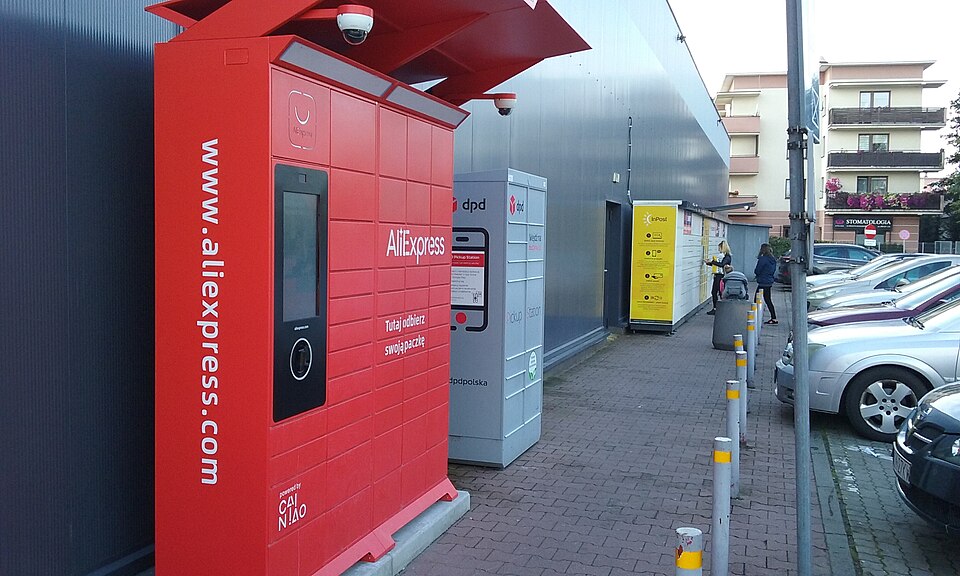
The Commission warned that failure to comply could result in additional periodic penalty payments as it continues to monitor AliExpress' adherence to the Digital Services Act. Photo by WrS.tm.pl, Wikimedia commons.