












The European Commission has unveiled a new counterterrorism agenda aimed at strengthening Europe’s ability to prevent and respond to terrorist and
violent extremist threats, as the security landscape grows more complex and increasingly digital.
Branded ProtectEU, the initiative is a flagship pillar of the EU’s Internal Security Strategy. It builds on a decade of counterterrorism measures while acknowledging a stark reality: today’s threats evolve faster, spread wider, and often take root online before reaching the physical world.
A shifting threat landscape
According to the Commission, terrorist activity is being reshaped by the misuse of digital tools and emerging technologies — from social media platforms and artificial intelligence to drones and 3D-printed weapons. At the same time, the radicalisation of minors is on the rise, with young people increasingly targeted through online channels. Geopolitical instability and the involvement of both state and non-state actors further complicate the picture.
ProtectEU seeks to respond with a more coordinated, forward-looking approach that boosts preparedness, resilience, and cooperation — both within the EU and beyond its borders.
Six pillars to reinforce EU security
The agenda is structured around six core pillars, covering everything from early threat detection to international partnerships.
Anticipating threats earlier
To stay ahead of emerging risks, the Commission plans to reinforce intelligence and analytical capabilities at EU level. This includes expanding the Single Intelligence Analysis Capacity (SIAC), strengthening analytical support at Europol, and investing in security research on technologies such as AI, crypto-assets and drones through programmes like Horizon Europe.
Preventing radicalisation at its roots
Prevention remains the cornerstone of long-term security. New measures focus on early intervention, particularly among minors. A dedicated Prevention Toolbox will provide practical resources to counter youth radicalisation, while a €5 million Community Engagement and Empowerment Programme will fund projects centred on youth resilience, digital literacy and social cohesion.
Making the internet safer
Recognising the central role of online platforms in propaganda, recruitment and fundraising, the Commission plans to tighten enforcement of the Digital Services Act and consider a future revision of the Terrorist Content Online Regulation. Cooperation with tech companies will be strengthened via the EU Internet Forum, and a new EU Online Crisis Response Framework will enable faster coordination between platforms and authorities during emerging threats.
Protecting public spaces and infrastructure
On the ground, ProtectEU aims to improve the detection and monitoring of high-risk individuals, including through better information-sharing via the Schengen Information System. The Commission is also exploring the expansion of travel data frameworks to cover private flights and other transport modes.
An additional €30 million will be invested in projects to secure public spaces, while the EU Protective Security Advisory Programme will be expanded to help Member States assess vulnerabilities in critical infrastructure.
Responding swiftly to attacks
When threats materialise, rapid and coordinated action is essential. The agenda outlines steps to improve the tracking of terrorist financing, including crypto-assets and online payments, and proposes stronger mandates for Europol and Eurojust. A roadmap on lawful access to data aims to speed up investigations and prosecutions across borders.
Working with global partners
Finally, the Commission stresses that counterterrorism is a global challenge. ProtectEU calls for deeper cooperation with trusted third countries, particularly in the Western Balkans and the Mediterranean region. This includes closer operational ties for Europol and Eurojust, and the rollout of joint action plans to prevent radicalisation and violent extremism beyond EU borders.
A collective response to modern threats
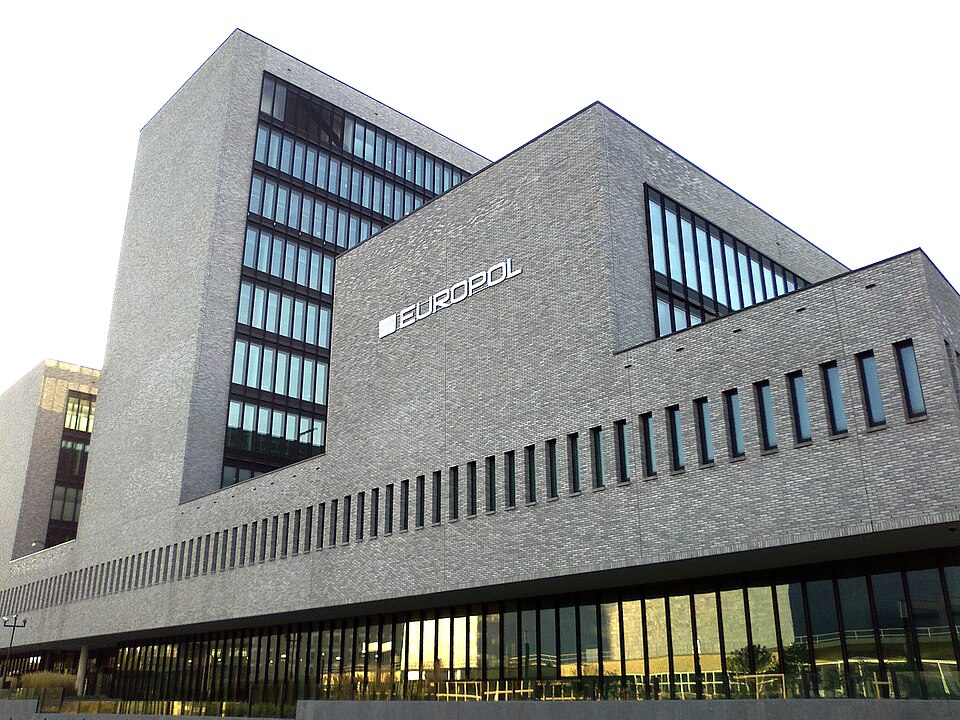
With ProtectEU, the Commission is betting on anticipation, prevention and cooperation as the best defence against terrorism in an era defined by rapid technological change. The message from Brussels is clear: keeping Europeans safe requires not just stronger laws, but smarter tools, earlier action, and closer partnerships — online, offline and across borders. Photo by OSeveno, Wikimedia commons.