











Renewable energy is steadily reshaping Europe’s power landscape, with nearly half of the European Union’s electricity now coming from green sources. In 2025, renewables
accounted for 47.3% of total electricity generation across the EU—marking a marginal increase from 47.2% in 2024, but reinforcing a clear long-term upward trend.
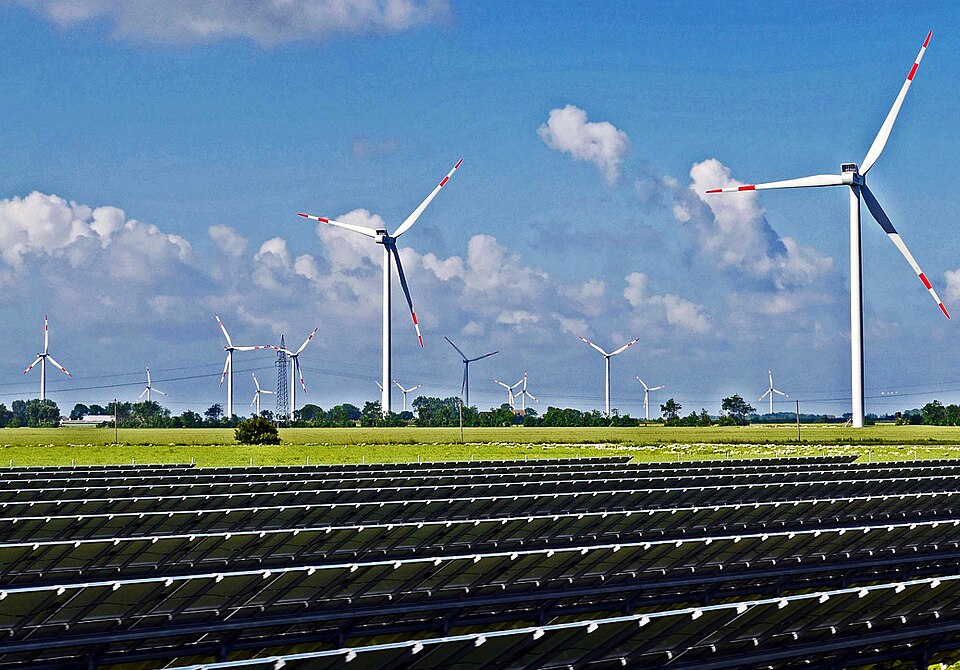
Wind energy remained the backbone of Europe’s renewable mix, contributing 37.5% of all green electricity. Solar power followed as the second-largest source at 27.5%, continuing its rapid expansion across the continent. Hydropower, traditionally a key player, made up 25.9%, while smaller shares came from combustible renewable fuels (8.5%) and geothermal and other sources (0.5%).
The standout development in 2025 was solar energy’s surge, growing by an impressive 24.6% compared to the previous year. This rapid expansion highlights increasing investment and deployment of solar technologies across EU member states. In contrast, hydropower generation declined by 11.8%, likely reflecting changing weather patterns and water availability.
At the national level, several countries are leading Europe’s renewable transition. Denmark topped the list, generating an exceptional 92.4% of its electricity from renewables—primarily wind. Austria followed with 83.1%, largely driven by hydropower, while Portugal reached 82.9%, combining strong hydro and wind output.
On the other end of the spectrum, reliance on renewable electricity remains limited in some EU countries. Malta recorded the lowest share at 16.2%, closely followed by Czechia at 16.6% and Slovakia at 17.8%.
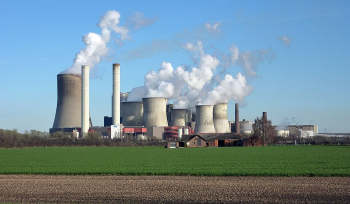
Despite uneven progress across the bloc, the overall trajectory points toward a greener energy future. With solar accelerating and wind maintaining its dominance, the EU appears firmly on track to expand its renewable footprint in the years ahead. Photo by hpgruesen, Wikimedia commons.