















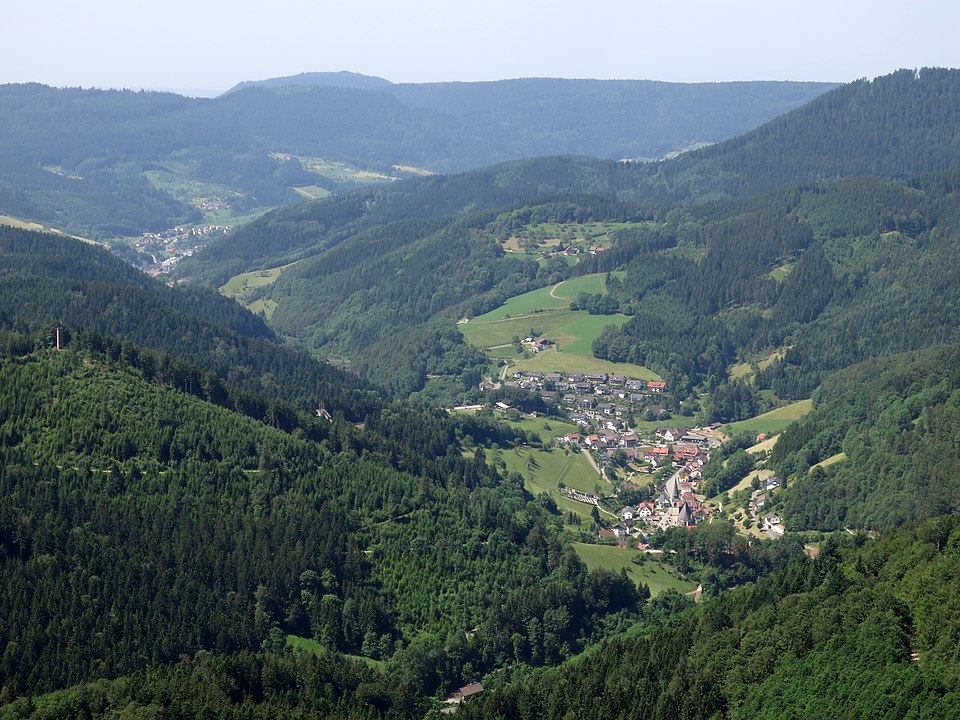
Forests across the European Union are expanding at a pace that outstrips timber harvesting, offering a positive signal for sustainable forestry practices across the region.
A key way to assess whether forests are being managed sustainably is by comparing how much wood is removed each year to how much the forest naturally regrows—known as the *net annual increment*. When growth exceeds removals, forests are effectively replenishing themselves, maintaining ecological balance and long-term productivity.
In 2023, the trend leaned strongly in favor of sustainability. Out of EU countries with available data, 23 reported forest growth surpassing wood removals. This indicates that, in most cases, forests are not only keeping up with demand but continuing to expand.
Romania led the way, with forest growth exceeding harvest levels by an impressive 39.9 million cubic meters. Sweden and Poland followed closely, recording net gains of 26.4 million and 26.3 million cubic meters respectively.
Estonia stood as the only exception. There, timber removals reached 11.6 million cubic meters—outpacing forest growth of 9.1 million cubic meters—resulting in a net loss of 2.5 million cubic meters of available wood.
Experts emphasize that sustainable harvesting focuses solely on planned logging activities, excluding unexpected losses such as wildfires or storms. This distinction allows for a more accurate understanding of the forestry sector’s environmental impact.
The findings come as part of ongoing efforts to monitor Europe’s natural resources and coincide with International Day of Forests, observed annually on March 20, which highlights the importance of forests in supporting biodiversity, climate stability, and human livelihoods. Photo by Stefan Karl, Wikimedia commons.