













The Cyprus Presidency of the Council of the European Union has outlined an ambitious policy roadmap to lawmakers in the European Parliament, presenting priorities that span
security, digital regulation, social rights, and economic resilience for the first half of 2026.
With its term running until June, Cypriot ministers used a series of committee hearings to signal a strong focus on protecting citizens while strengthening Europe’s global position.
Rights, equality, and social policy
Gender equality sits high on the agenda, with efforts to combat gender-based violence—especially online—and shape the EU’s next equality strategy. Lawmakers urged stronger protections for reproductive rights and LGBTQI communities, warning of growing backlash across Europe. Social priorities also include tackling child poverty, improving long-term care, and addressing Europe’s housing challenges.
Digital Europe and consumer protection
The presidency plans to push forward key digital legislation, enforce rules like the Digital Services Act, and improve online safety for minors. Questions from MEPs highlighted concerns over foreign interference, cybersecurity, and whether stricter rules—such as limits on social media for young users—may be needed.
Education, culture, and youth
Cyprus aims to strengthen programmes like Erasmus+, invest in media literacy, and support cultural sectors as pillars of democracy. Education reforms will also address the impact of artificial intelligence and promote vocational training, while sport policies will target both economic growth and athlete wellbeing.
Security, migration, and rule of law
Fighting organised crime, terrorism, and digital threats is another core pillar. The presidency also prioritises implementing the EU’s migration pact and reinforcing border management, while reaffirming the rule of law as fundamental to the Union’s stability.
Green transition and economic resilience
From sustainable farming and fisheries to energy security and industrial policy, Cyprus is pushing for a balance between decarbonisation and competitiveness. Ensuring stable food supply chains and supporting EU industries—especially SMEs—are key elements of this approach.
Foreign policy and defence
Support for Ukraine, stronger EU defence capabilities, and deeper global partnerships remain central. Ministers stressed the importance of maintaining transatlantic ties while boosting Europe’s strategic autonomy in an increasingly unstable geopolitical landscape.
Budget battles ahead
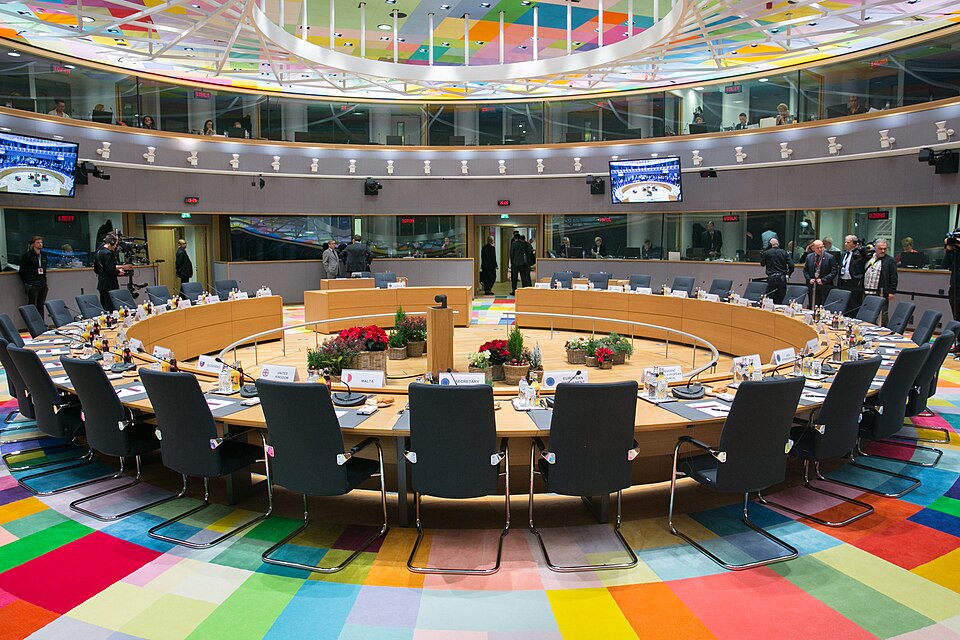
Across nearly all policy areas, one issue dominated discussions: the EU’s next long-term budget. MEPs repeatedly called for sufficient funding to back ambitions in cohesion policy, agriculture, culture, and social programmes. Photo by EU2017EE Estonian Presidency, Wikimedia commons.