















Thousands of doctoral candidates in Poland are navigating their academic careers in what researchers describe as a “legal limbo,” raising concerns about working conditions in
one of Europe’s largest research communities.
In a recent commentary published in Science, Martyna Stępień of the University of Wrocław and independent scholar Alan Żukowski highlight systemic gaps affecting Poland’s roughly 40,000 PhD students.
At the heart of the issue is a 2019 higher education reform that introduced nationwide doctoral schools but failed to clearly define the legal status of PhD candidates. As a result, their stipends are not considered wages, leaving them without access to basic labor protections such as sick leave, social security, or employment rights.
“The pre-PhD period is critical for developing research skills, yet in many EU countries, including Poland, early-career researchers lack a meaningful safety net,” the authors said in comments to the Polish Press Agency.
Despite contributing significantly to academic output, doctoral researchers often earn below the national minimum wage, further intensifying concerns about financial stability and long-term career sustainability.
The authors argue that the problem extends beyond Poland and reflects a broader European challenge. They are calling on the European Union to introduce regulations that would grant PhD candidates full employee status, alongside increased funding for early-career researchers.
“Doctoral researchers are the backbone of future academia,” Stępień noted. “Without fair conditions, the system cannot remain resilient.”
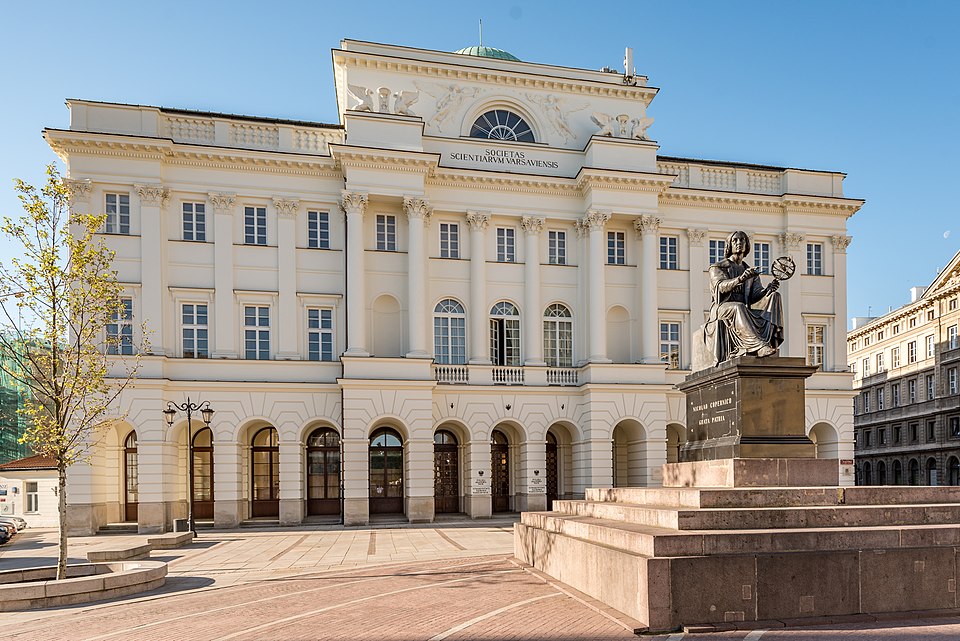
The researchers also point to a paradox within academia itself: while they plan to investigate structural challenges in Polish science more deeply, securing funding for such research remains difficult. Their contribution to Science was completed without external support—a fact they say underscores both the urgency and the neglect of the issue. Photo by Tilman2007, Wikimedia commons.