












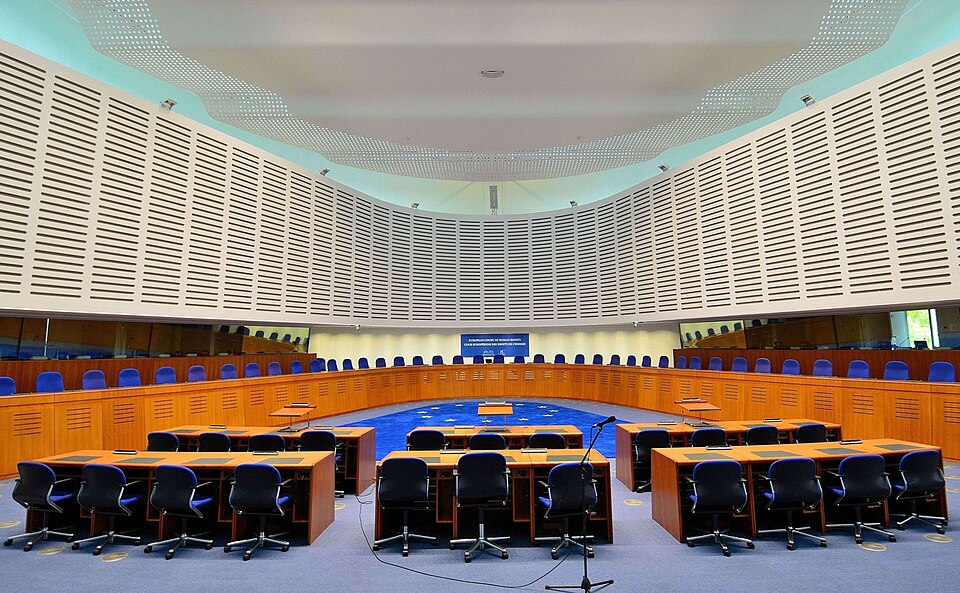
The European Court of Human Rights has ruled that Belgium violated fundamental rights by failing to properly accommodate four asylum seekers, exposing shortcomings in the
country’s reception system during the recent migration crisis.
The case involved individuals from Angola, China, Guinea, and Cameroon who applied for international protection between 2022 and 2023. Despite a prior ruling by the Brussels labour court ordering authorities to provide housing and material support, the applicants were left homeless for extended periods—one for nearly a full year.
In its judgment, the Strasbourg-based court found that forcing the individuals to live on the streets without access to basic necessities, even during winter, amounted to inhuman and degrading treatment. It also concluded that Belgium breached the right to a fair trial, citing excessive delays in enforcing court-ordered measures.
As a result, the court ordered financial compensation ranging from €5,070 to €12,350 for the four applicants.
The ruling adds to mounting scrutiny of Belgium’s asylum system, which has struggled in recent years with overcrowded reception centers and administrative bottlenecks. At the height of the crisis in 2022, hundreds of asylum seekers were reportedly left without shelter, prompting legal challenges and criticism from humanitarian groups.
Responding to the judgment, Migration Minister Anneleen Van Bossuyt emphasized that the events occurred under a previous government. She argued that reforms have since been implemented to expand reception capacity and prevent similar situations in the future.
Belgium’s refugee policy: a system under pressure
Belgium operates under the EU’s Common European Asylum System, which requires member states to provide reception, housing, and access to basic services for asylum seekers. In practice, the country relies on a federal agency, Fedasil, to manage reception networks that include collective centers and individual housing.
However, the system has faced repeated strain due to rising asylum applications, limited infrastructure, and slow processing times. Legal obligations remain clear: authorities must ensure dignified living conditions from the moment an asylum request is registered. When capacity falls short, as seen in this case, courts have increasingly intervened.
Recent policy efforts have focused on:
- Expanding reception capacity
- Accelerating asylum procedures
- Strengthening coordination between federal and local authorities
Despite these reforms, rights organizations warn that structural vulnerabilities persist, particularly during sudden surges in migration flows.
The ECHR ruling serves as a reminder that, regardless of political context or capacity challenges, European states remain bound by strict human rights obligations in their treatment of asylum seekers. Photo by Adrian Grycuk, Wikimedia commons.