









In a rare move that underscores growing economic urgency at home, King Philippe will lead a domestic trade mission on 21–22 April, aiming to deepen cooperation between
businesses in Belgium’s two main regions: Flanders and Wallonia.
Traditionally focused on high-profile economic missions abroad, the king’s decision to spearhead an initiative within national borders marks a notable shift in strategy. According to the royal palace, the mission reflects a pressing need to strengthen internal economic resilience amid an increasingly uncertain global climate.
The initiative is being organised by leading employers’ groups from both regions and will bring together around 40 business leaders. Their shared objective is to foster closer ties between northern and southern economic actors—connections that, despite already being significant, still hold untapped potential.
Belgium’s economic landscape is shaped by the distinct profiles of its regions. Flanders, the Dutch-speaking north, is widely regarded as the country’s economic engine, with strong export capacity, advanced logistics networks, and a concentration of industrial and technological expertise. Wallonia, the French-speaking south, offers advantages of its own, including available space for expansion, a diverse labour pool, and strengths in sectors such as life sciences and aerospace.
Despite these differences, the two regions are deeply interdependent—more so, the palace notes, than with neighbouring countries like France or the Netherlands. This interdependence creates opportunities for synergy: Flanders’ investment capacity and know-how can complement Wallonia’s workforce and development potential.
Yet challenges remain. Labour market mismatches persist, with unfilled vacancies in Flanders contrasting with higher unemployment levels in parts of Wallonia. Policymakers have increasingly pointed to cross-regional cooperation as a way to address these imbalances.
During the two-day, King Philippe will visit a range of companies on both sides of the linguistic border, including Odoo, IBA, DEME, Sonaca, Barco, Renson and VPK Group. Key discussion areas will include biopharmaceuticals, defence, circular economy initiatives, and innovation—sectors seen as critical to Belgium’s future competitiveness.
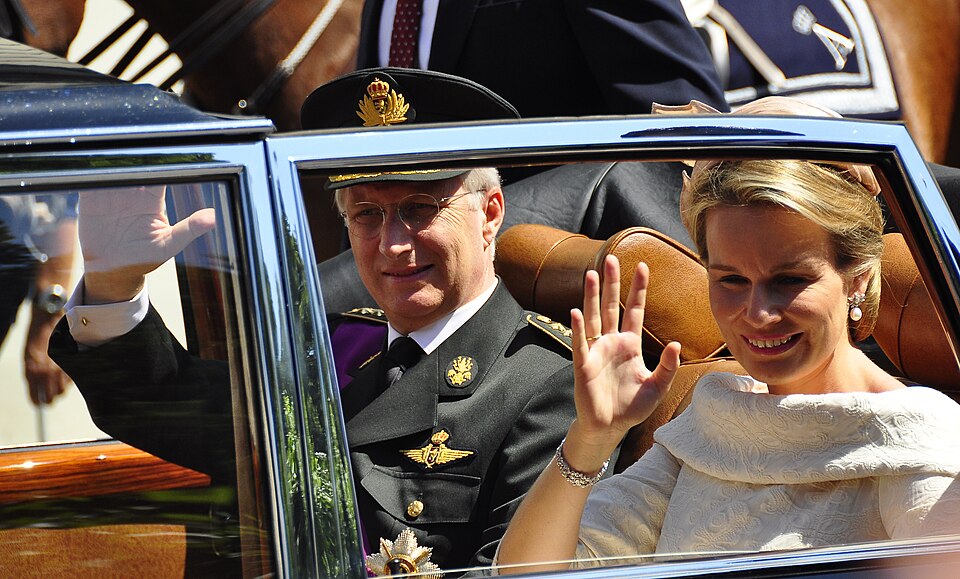
By placing the spotlight on domestic collaboration, the mission signals a broader recognition: strengthening Belgium’s internal economic cohesion may be just as vital as expanding its footprint abroad. Photo by Michael Thaidigsmann, Wikimedia commons.