











Annual inflation in the eurozone fell to 2.8% in June, marking its second consecutive monthly decline as energy prices and easing price pressures helped slow the pace of
consumer price growth across much of Europe, according to figures released by Eurostat.
Inflation in the 20-country euro area dropped from 3.2% in May, while the wider European Union's annual inflation rate also eased to 2.9%, down from 3.3% a month earlier. Despite the slowdown, inflation remains above the 2% level recorded in the eurozone a year ago and continues to exceed the European Central Bank's medium-term target.
The latest data showed that inflation slowed in 22 EU member states compared with May, remained unchanged in three countries and increased in two, suggesting that price growth is moderating across most of the bloc.
Sweden recorded the lowest annual inflation rate at 1.0%, followed by Czechia (1.1%) and Denmark (1.8%). At the other end of the scale, Romania continued to experience the strongest price pressures with inflation at 9.2%, ahead of Lithuania (5.4%) and Bulgaria (5.2%).
Services remained the largest driver of inflation in the eurozone, contributing 1.51 percentage points to the overall annual rate. Energy prices added 0.77 percentage points, while food, alcohol and tobacco contributed 0.29 percentage points. Non-energy industrial goods accounted for a further 0.18 percentage points.
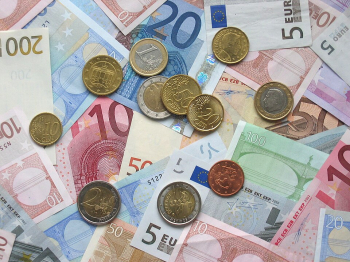
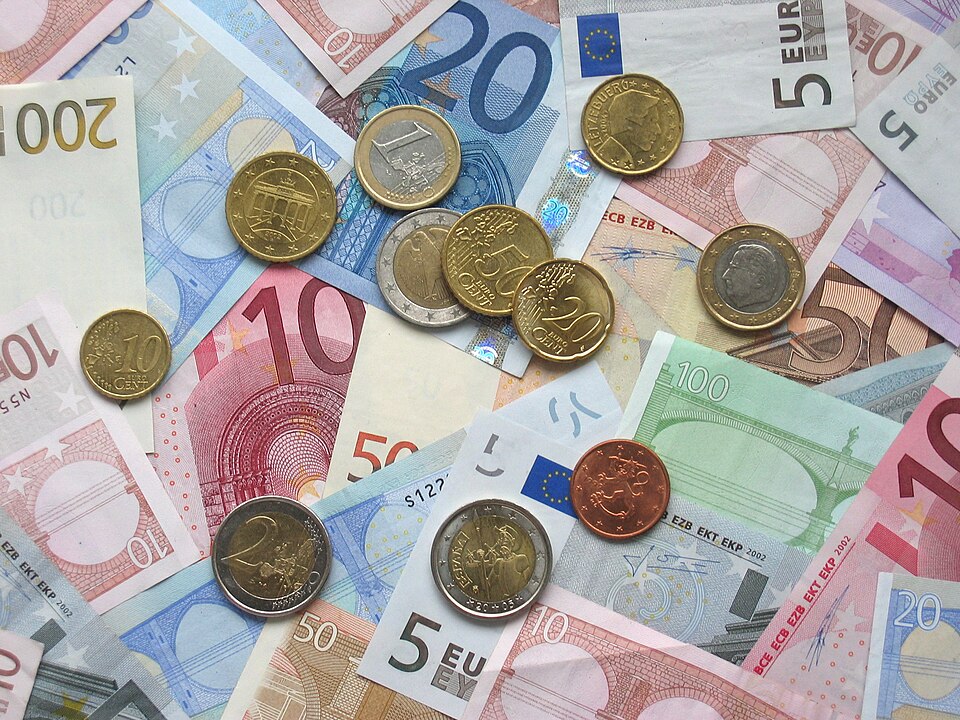
The figures provide further evidence that inflationary pressures are gradually easing across Europe, although significant differences remain between member states, with some eastern European economies continuing to experience substantially higher price growth than the eurozone average. Photo by Avij, Wikimedia commons.