












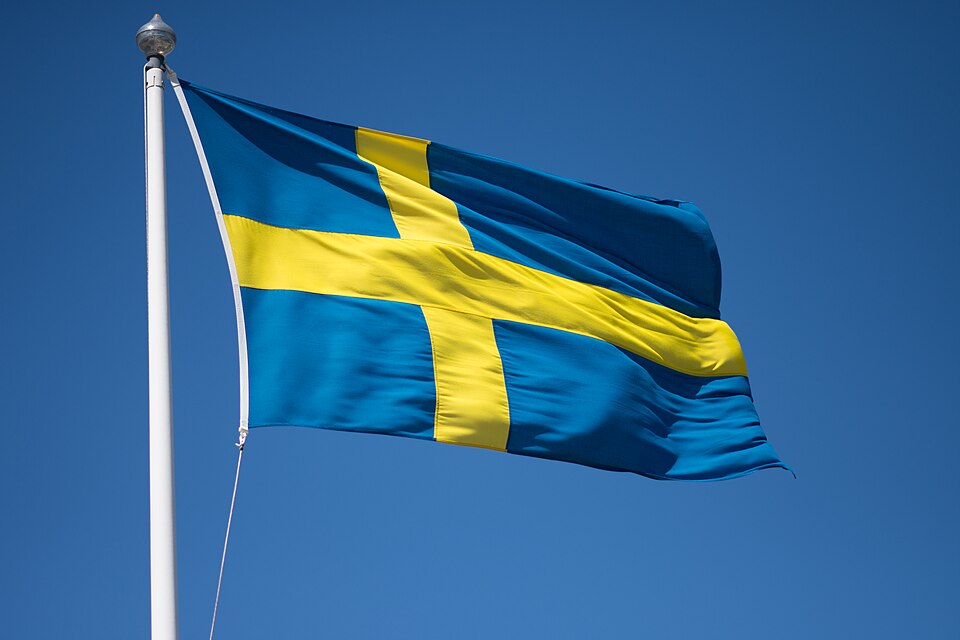
The European Commission has approved Sweden’s progress towards receiving a €1.47bn payment from the EU’s post-pandemic recovery fund, after the country completed
a series of reforms and investment targets.
The payment, made under the EU’s Recovery and Resilience Facility — the main programme of the €800bn NextGenerationEU recovery plan — is aimed at supporting Sweden’s green transition, improving housing and labour markets, and tackling demographic pressures.
The Commission said Sweden had successfully met eight milestones and eight targets linked to the payment request, submitted in January 2026.
Among the measures highlighted by Brussels are projects designed to accelerate the shift to a low-carbon economy, including Sweden’s “Climate Leap” initiative, which supports local and regional environmental projects such as the expansion of electric vehicle charging infrastructure.
The country has also introduced reforms to speed up environmental permit procedures and make it easier to expand electricity networks, a move aimed at supporting renewable energy development.
More education places and stronger elderly care
The EU funding will also support Sweden’s education system, with additional places created in regional adult vocational training programmes, universities and other higher education institutions.
New legislation introducing a national professional programme for school principals, teachers and early childhood education workers is also part of the reform package.
In healthcare, Sweden is investing in improving elderly care by providing additional training for staff in care centres. A new legal framework will also establish professional standards for nursing assistants.
Housing reforms to tackle shortages
The payment package includes measures to increase the supply of rental homes, including efforts to reduce rents and ease pressure on Sweden’s housing market.
Changes to building regulations are expected to shorten the approval process for new construction projects and help speed up the delivery of new homes.
Final approval still required
The Commission’s assessment will now be reviewed by the EU’s Economic and Financial Committee, which has up to four weeks to issue its opinion.
If approved, the European Commission will make the final payment decision and release the funds to Sweden.
Sweden’s recovery plan has a strong focus on climate measures, energy efficiency, housing, education and digital infrastructure. Key reforms include changes to energy taxation, employment protection rules and the pension system.
The latest payment would bring the total EU recovery funds paid to Sweden to €3.11bn, representing more than 90% of the country’s total allocation under the recovery plan.
The Commission said that almost 88% of Sweden’s recovery targets and milestones had now been completed.
EU countries have until the end of August 2026 to complete remaining commitments under the Recovery and Resilience Facility, with final payment requests due by the end of September ahead of the fund’s closure. Photo by Tarjei Mo, Wikimedia commons.