
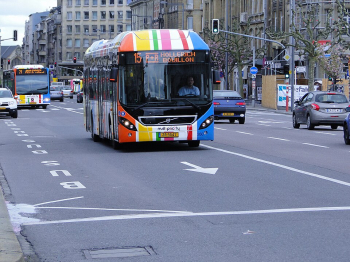












The European Commission has approved a €54 million state aid scheme from Luxembourg to support road transport and rail freight companies struggling with higher fuel
costs linked to the ongoing Middle East crisis.
The funding package is designed to help businesses absorb part of the sharp rise in fuel prices and prevent disruption in key transport sectors.
Under the scheme, companies operating in road haulage and rail freight will be able to receive direct grants covering up to 70% of additional fuel costs incurred between 1 March and 31 December 2026.
The measure was approved under the European Commission’s Middle East Crisis Temporary State Aid Framework (METSAF), introduced in April 2026 to allow EU countries to provide targeted support to industries most affected by the economic fallout from the conflict.
Luxembourg notified the Commission of the €54 million programme, which aims to provide temporary financial relief for transport operators facing increased operating expenses.
After assessing the plan under EU state aid rules, the Commission said the scheme met the required conditions and was “necessary, appropriate and proportionate” to support economic activity without undermining competition in the single market.
The Commission said the aid would be delivered through a clearly defined scheme with a fixed budget and would focus on temporarily supporting companies in the road and rail freight sectors.
The approval was made under Article 107(3)(c) of the Treaty on the Functioning of the European Union, which allows governments to support certain economic activities under specific conditions, as well as provisions of the METSAF framework.
Temporary support amid Middle East crisis
The European Commission adopted the METSAF framework on 29 April 2026 in response to the economic impact of the Middle East crisis.
The temporary rules allow EU governments to support sectors particularly exposed to energy and supply chain disruptions, including agriculture, fisheries, transport and energy-intensive industries.
The framework will remain in place until 31 December 2026, with the Commission continuing to monitor economic developments and the situation in the Middle East.
Brussels said the measures were intended as short-term protection for vulnerable industries, while the longer-term solution remained the transition towards a cleaner and more resilient economy.
The framework allows member states to provide support based on companies’ actual fuel consumption, helping cover part of increased costs for fuel and fertilisers, while also introducing simplified procedures for smaller aid amounts.
It also includes temporary adjustments to the Clean Industrial Deal State Aid Framework, giving governments greater flexibility to respond to sharp increases in electricity prices.
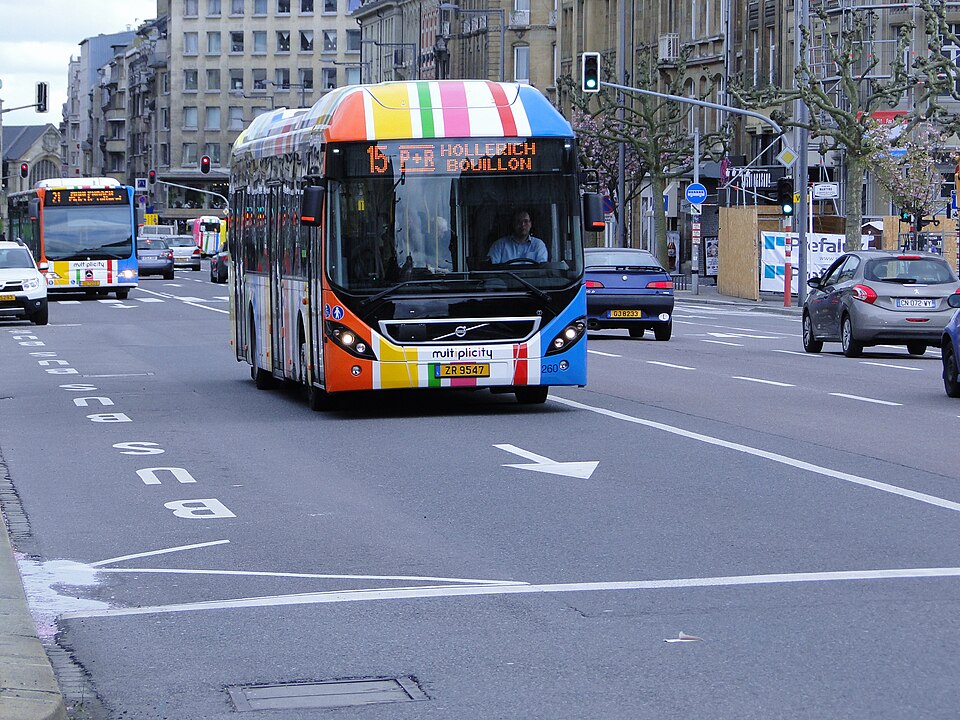
The full details of Luxembourg’s approved scheme will be published in the EU’s State Aid Register under case number SA.123838 once confidentiality checks have been completed. Photo by GilPe, Wikimedia commons.