






The European Union will move forward with the provisional application of its long-awaited free trade agreement with the Mercosur bloc, European
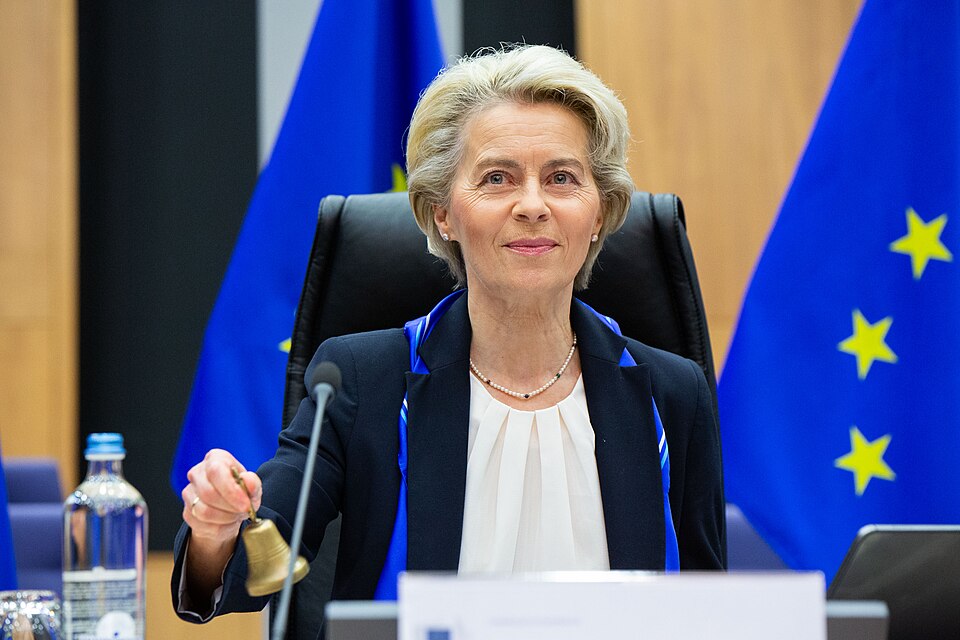
Commission President Ursula von der Leyen confirmed on Friday, despite mounting political opposition and a pending legal review.
The decision follows the completion of ratification procedures by at least one Mercosur member, a condition that allows the agreement to be provisionally implemented. Uruguay and Argentina finalised their domestic approvals on Thursday, while Brazil and Paraguay are expected to follow shortly.
“When they are ready, we are ready,” von der Leyen said, echoing remarks she made at last December’s EU summit in Brussels, where member states gave political backing to the deal.
Negotiated over a quarter of a century, the agreement between the EU and Mercosur would establish one of the world’s largest free trade areas, covering more than 700 million consumers and roughly 30 per cent of global GDP. For Europe, it promises expanded export opportunities for cars, machinery, wines and spirits. In return, South American producers would gain increased access to the EU market for beef, poultry, sugar, rice, honey and soya.
However, the path to full ratification remains uncertain. Earlier this week, the European Parliament voted to refer the agreement to the European Court of Justice, asking judges to determine whether the deal complies with EU treaties. That legal referral effectively freezes the ratification process for up to two years.
Under EU rules, the European Commission can still provisionally apply the agreement while the court review is ongoing—a move that has intensified political tensions across the bloc.
Farmers’ organisations and environmental groups warn that cheaper agricultural imports could undermine European producers and bypass strict EU standards. Large-scale protests have taken place in Brussels and other capitals, reflecting deep unease in rural communities.
France and Poland remain firmly opposed to the deal, citing concerns over agriculture and environmental protections. Belgium chose to abstain during the latest political discussions.
Supporters of the agreement argue that the economic benefits outweigh the risks, particularly as European industries face growing competition from China and trade pressure from the United States. For now, the EU appears determined to press ahead, even as legal and political battles over Mercosur continue to unfold. Photo by © European Union, 2026, Wikimedia commons.